COMPOSITING
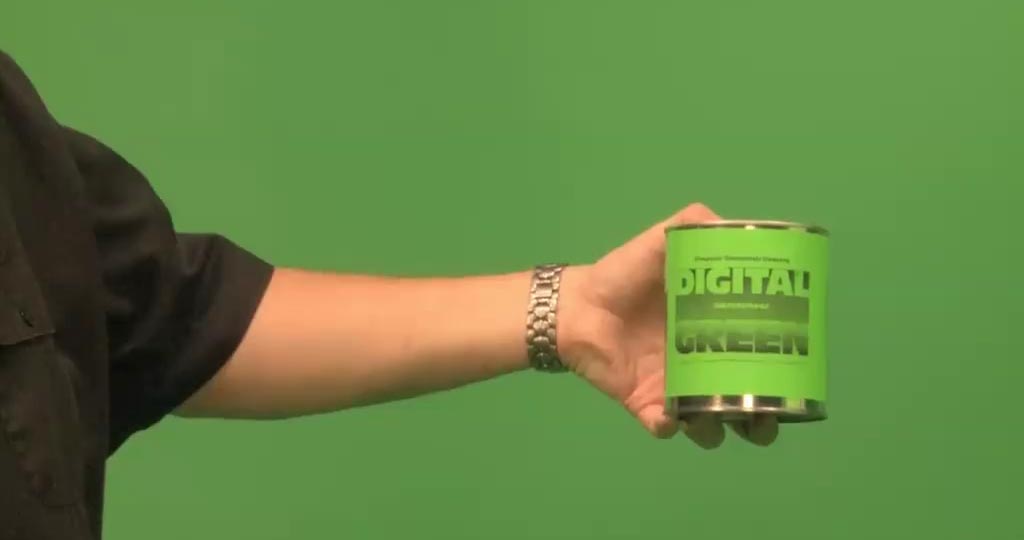
......................................................................................................................................................
WORKSHOP ACTIVITY OUTLINE
1) construction of virtual space
2) simulation of camera
3) simulation of artifacts from a recognizable media format
......................................................................................................................................................
HISTORICAL OVERVIEW: A journey from photochemical era to the digital era
Lumiere Brothers - Worlds first filmmakers.
The brothers stated that "the cinema is an invention without any future" and declined to sell their camera to other filmmakers such as Georges Méliès.
Georges Méliès
He is considered the father of special effects filmmaking. Originally a magician, he came to make over 4000 films and discovered many film magic tricks that are still used today. One of his techniques is matte painting. Le Voyage Dans La Lune (1902)
Edison Studios
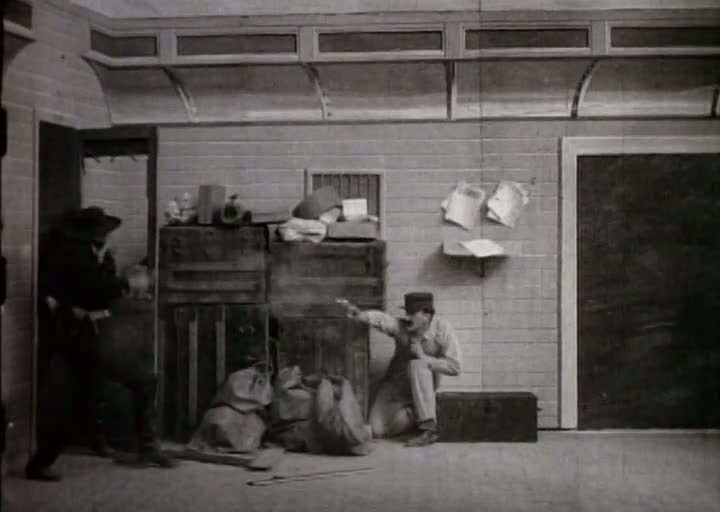
Headed by Thomas Edison, they made the first film with a compositing trick: The Great Train Robbery (1903)
Walt Disney and Ub Iwerks
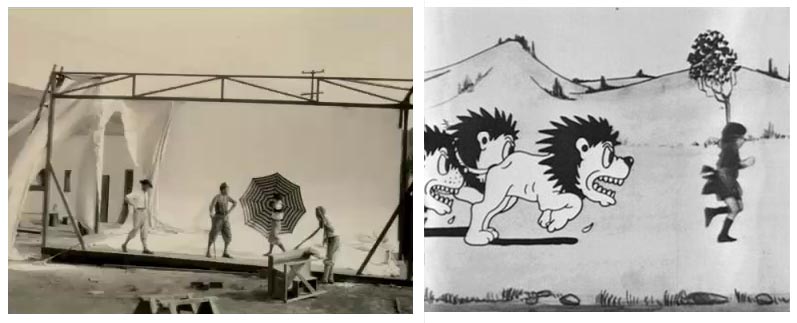
Early Pioneers in popularizing special effects cinema. One of their first animations, Alice's Wonderland, is a classic proto-greenscreen piece. Ub Iwerks would go on to get an academy award for the conception and perfection of techniques for Color Traveling Matte Composite Cinematography in Mary Poppins alongside Petro Vlahos.
Petro Vlahos
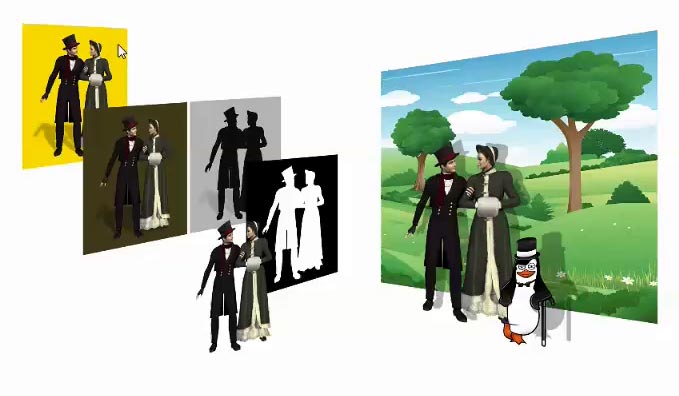
Refined the traveling matte extraction process to the point that audiences couldn't tell the image was invented. In his original process (mid-50's), he would light a white backdrop with a yellow sodium-vapor light. During the photochemical process filmmakers could extract the yellow-exposed elements to create a traveling matte. Eventually he refined the blue screen process in the mid-60's and would go on to expand the popularity of bluescreen technology with his company ULTIMATTE to what we consider chroma-keying today.
Industrial Light and Magic
First formed for the original Star Wars Movie, ILM resurrected special effects in the late 70's. At the time big film studios were going out of business and special effects films weren't terribly popular. With Star Wars, George Lucas employed most of the small effects studios in Hollywood to make his film. Upon release it immediately became the biggest box office hit ever . That one movie grossed 3/4billion dollars. This changed movie-making trends significantly.
PIXAR
Alvy Ray Smith and Edwin Catmull were 2 employees from ILM who, during their time there, invented the concept of the 'alpha channel'. They would pool innovations like this together with their new company, PIXAR, to push the possibilities of digital realism in motion pictures.
......................................................................................................................................................
NOTE:
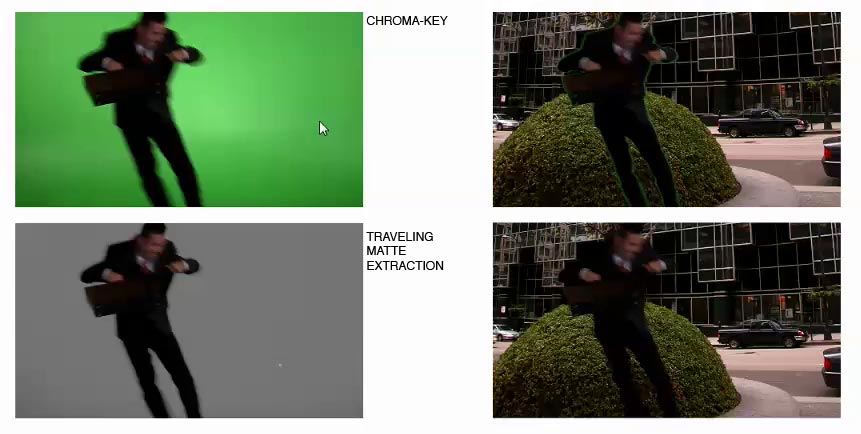
-Even though it is sometimes known as 'Chroma-Key', what we are actually doing is 'Traveling Matte Extraction'. Chroma-Keying, technically, is just an on/off applied to a range of colors. Traveling Matte Extraction can take into account levels of transparency to make a nice 'key' even where there is motion blur, transparencies, and reflections. Keylight, for example, looks at the defined color channel from the camera and allows the alpha channel to appear in proportion to the amount of that color it is seeing. The brighter and more saturated the color, the more the background video is allowed to come through (up to certain limits, of course). The darker the color, the less of the background is allowed to show.
NOTE:
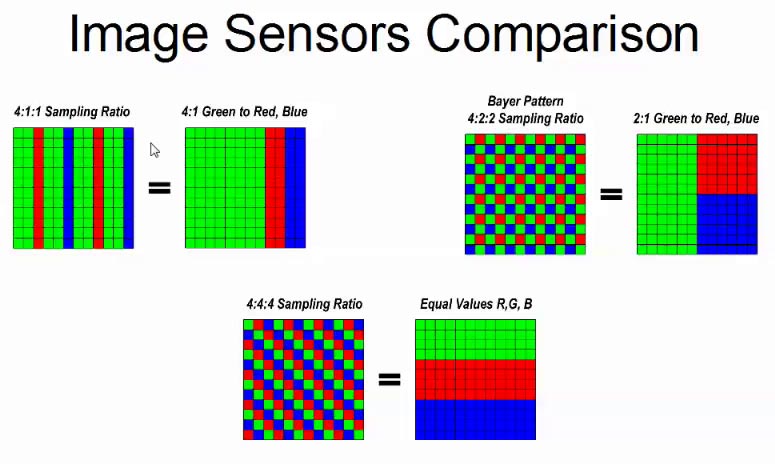
Today, GREEN has overtaken BLUE as the standard for chroma-keying because of the way most digital cameras are designed to mimic the human eye.
......................................................................................................................................................
VOCABULARY:
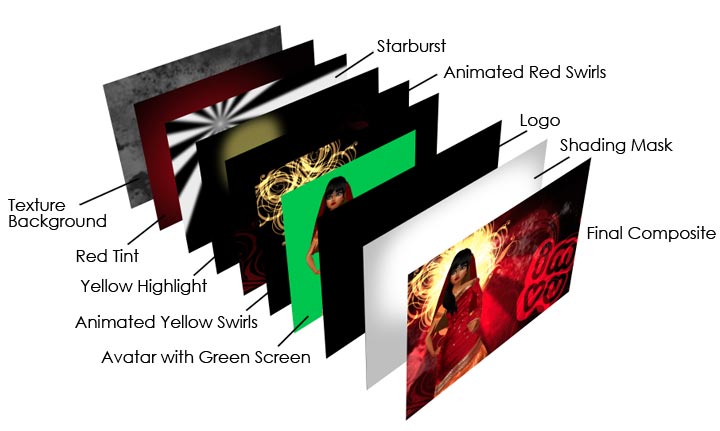
-COMPOSITING- The art of combining several pieces of separately shot footage to appear as if they are one piece of footage. It’s a relatively simple process that involves cutting out bits and pieces of different clips and creatively reassembling them–layering them, moving them around, offsetting them through time, scaling, rotating, blending them, attaching blurs, color and level changes, etc. to make everything appear as if it were shot in camera.
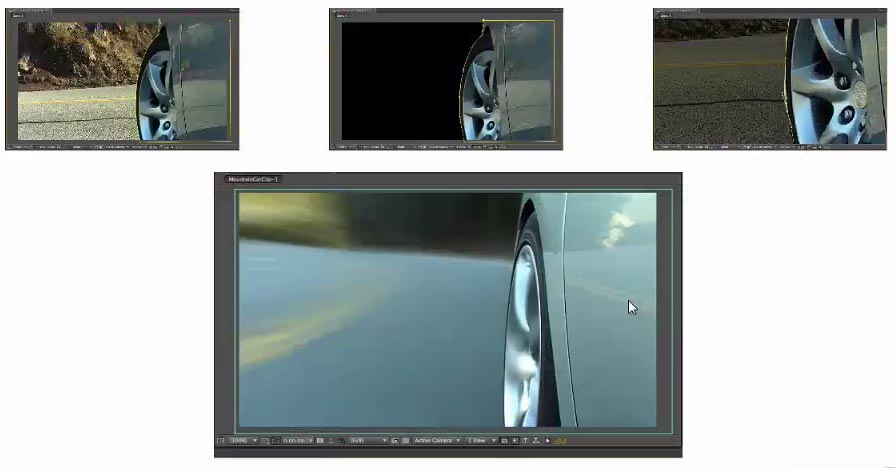
-ROTOSCOPING- An animation technique developed by Fleischer Studios for their early cartoons (which included Betty Boop) in which animators trace over live footage frame-by-frame to capture live-action movement.
MATTE- A mask used to blank out part of an image so that another image can be superimposed
MATTE PAINTING- A painting that replaces a part of an image using matte techniques. before the latent image technique was used people painted on location and no mattes were used in post production to composite.
MASK- A shield of paper, paint, etc, placed over an area of unexposed photographic surface to stoplight falling on it. With digital masking, the technique is akin to 'cutting out' unwanted regions of the digital image.
ALPHA CHANNEL- In graphics, it is the portion of each pixel's data that is reserved for transparency information. Most popular graphics systems contain four channels -- three channels for color (RGB) and one alpha channel. The alpha channel is basically a transparency range. It was invented to avoid the need for mattes in digital compositing.
......................................................................................................................................................
ACTIVITY #1: USING KEYLIGHT
Using 'hdancer' and 'bg' in After Effects:
1) apply keylight to hdancer
view screen matte
clip black (transparent)
clip white (opaque)
screen softness
screen shrink
2) blur bg with camera lens blur
adjust levels too. lighten slightly and up the reds and lower the blues.
3) adjust lady (notice we do it after keylight)
adjust levels (lighten) brighten up red and blue
then add a tiny bit of camera lens blur
4) animate lens blur to simulate rack focus
5) render
......................................................................................................................................................
ACTIVITY#2: SHOOTING OUR GREENSCREEN FOOTAGE
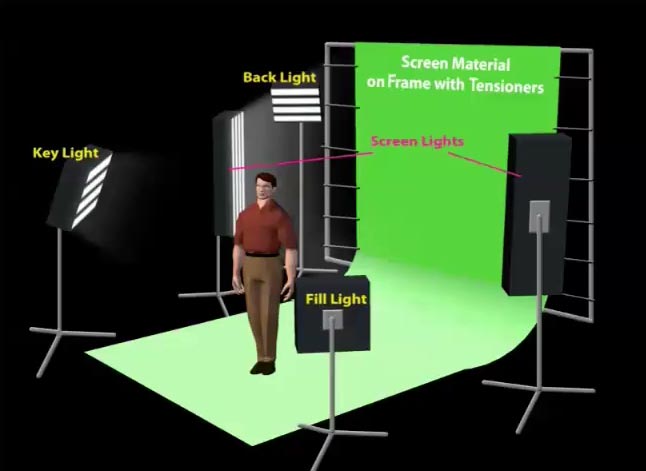
1) set up lights. subjects stand at least 6 feet away from screen. light screen first, then subject.
2) put white card in front of green screen lights + auto white balance
3) shoot